Articles
Want new article announcements?
Article emails are optional and off until you explicitly enable them.
Manage article email preference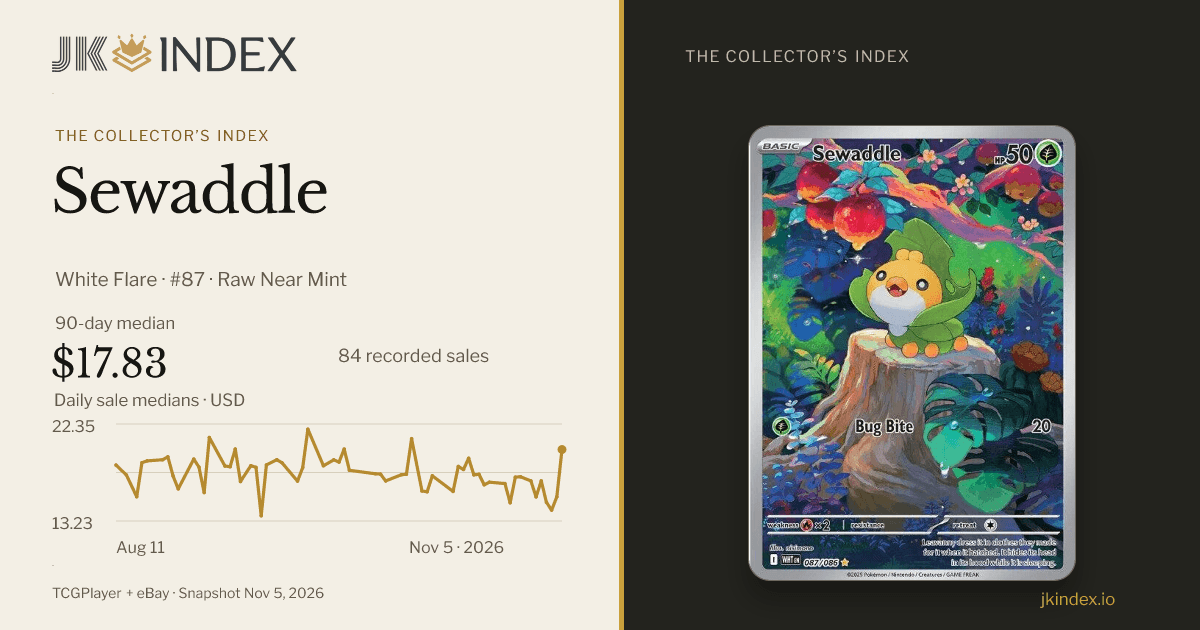
Sewaddle Card Value: White Flare Prices and Printing Guide
Identify Sewaddle’s White Flare and older printings, separate English from Japanese cards, and compare dated raw and PSA 10 sale examples.
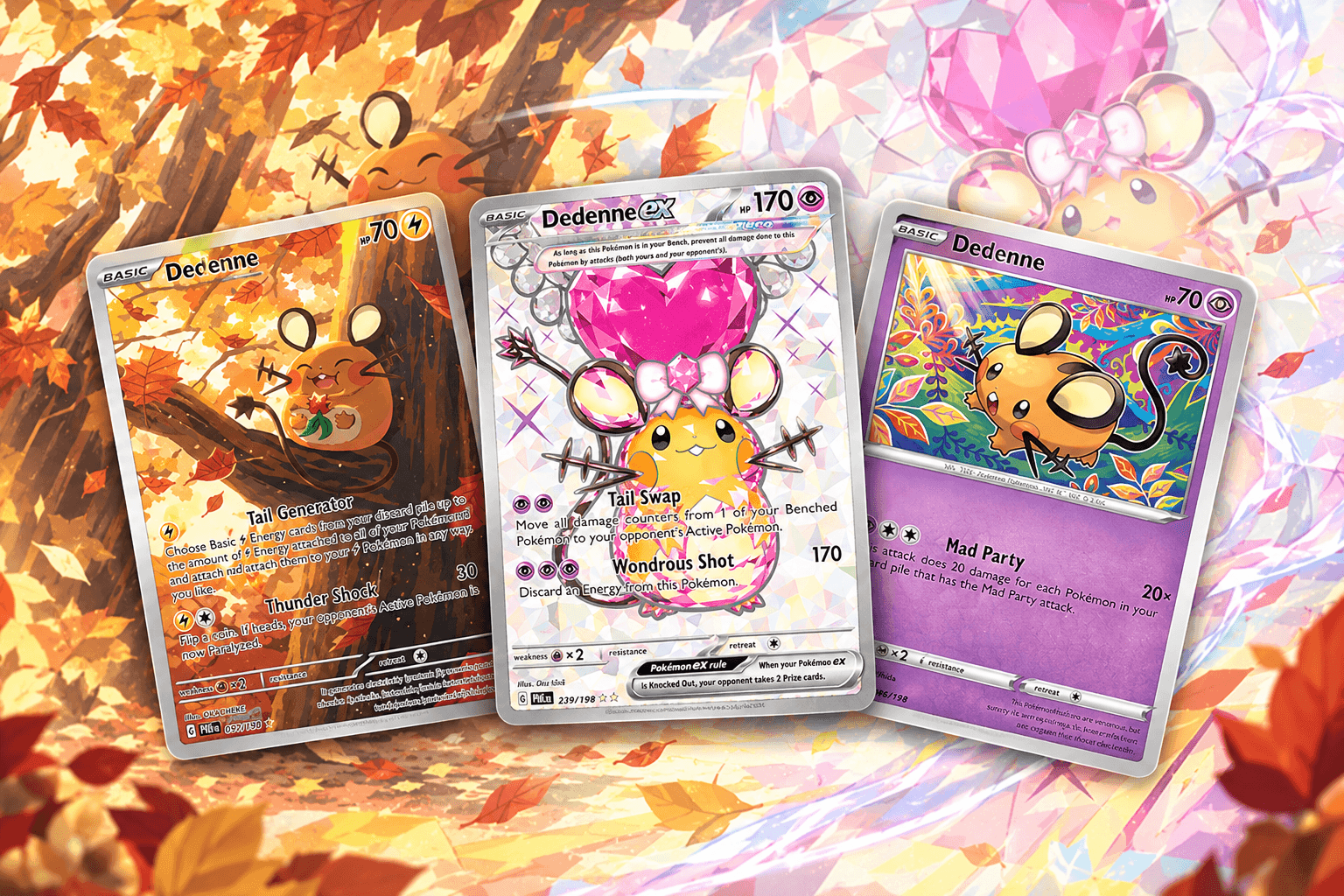
Dedenne Card Value: Identify the Printing Before Comparing Prices
Compare Dedenne-GX printings and dated Toolkit #195a sale examples, with raw and graded prices kept separate.
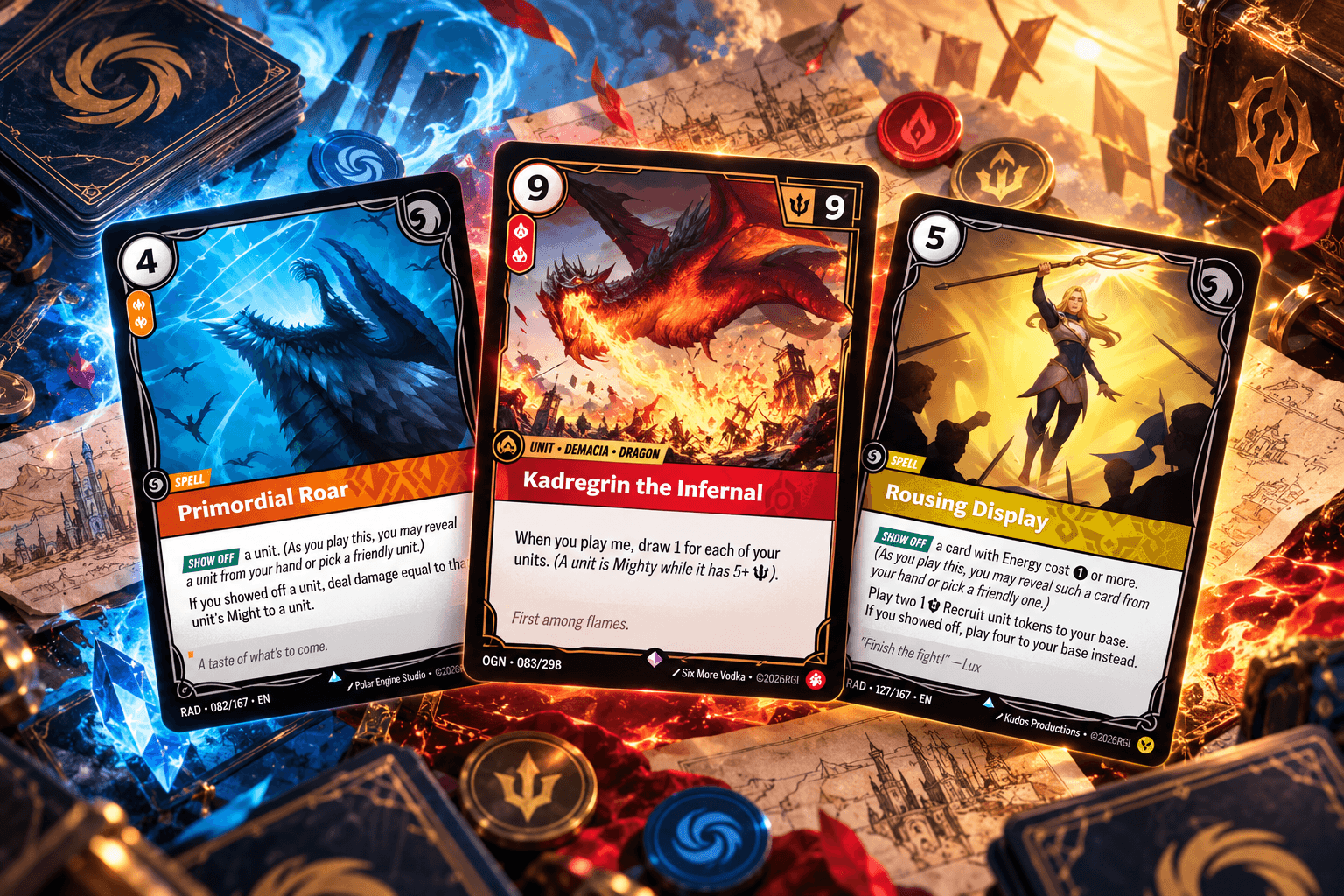
Disarm, Reveal and Show Off: Riftbound's Newer Keywords
One keyword answers the single biggest threat on the board. The other asks you to prove what's in your hand. Both arrive with Radiance, and neither works the way its name suggests.
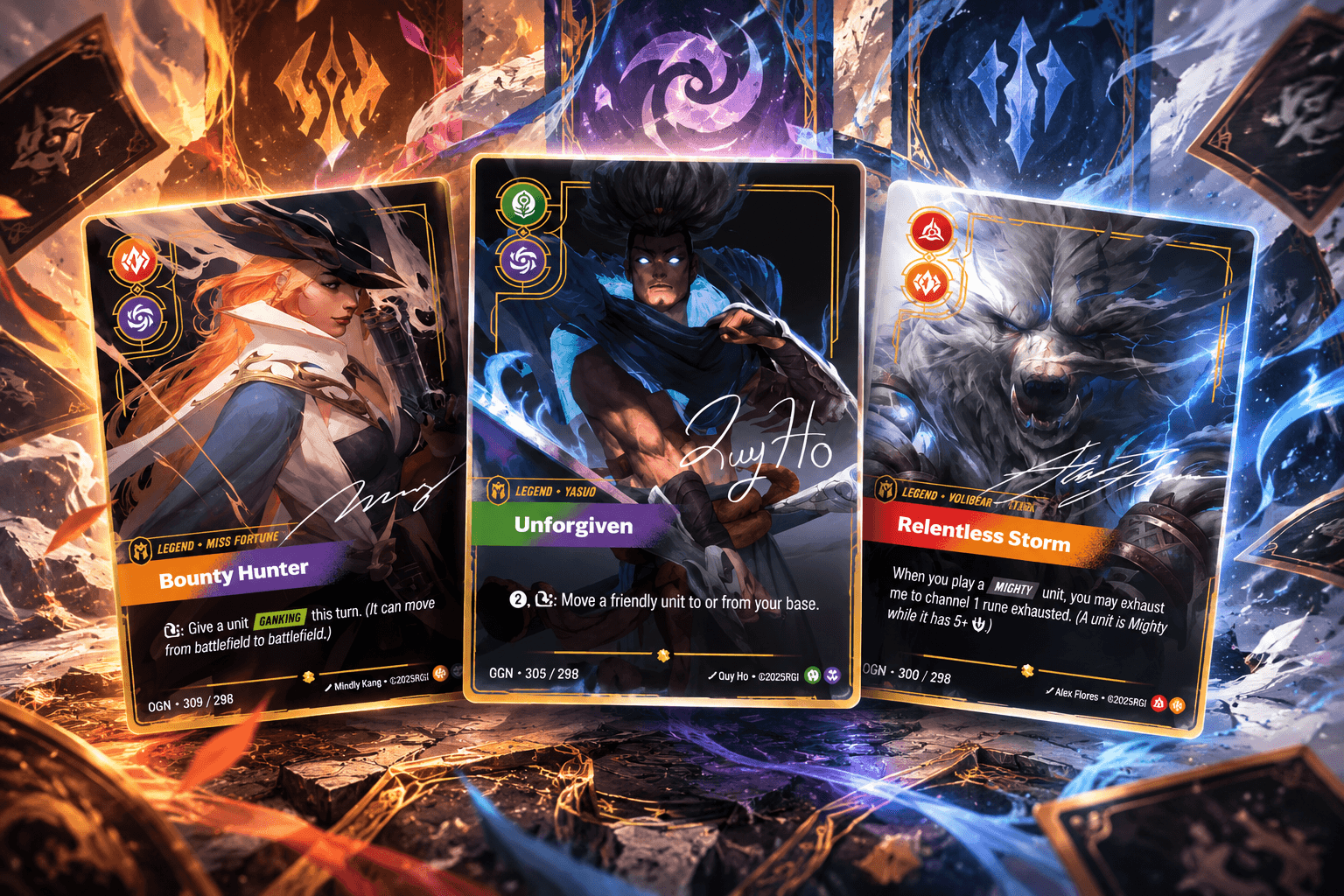
Riftbound Overnumbered Cards: The Collector Tier Explained
The tell is in the bottom-left corner, and it takes two seconds to check. If the number before the slash is bigger than the one after it, you're holding the top of Riftbound's rarity ladder.
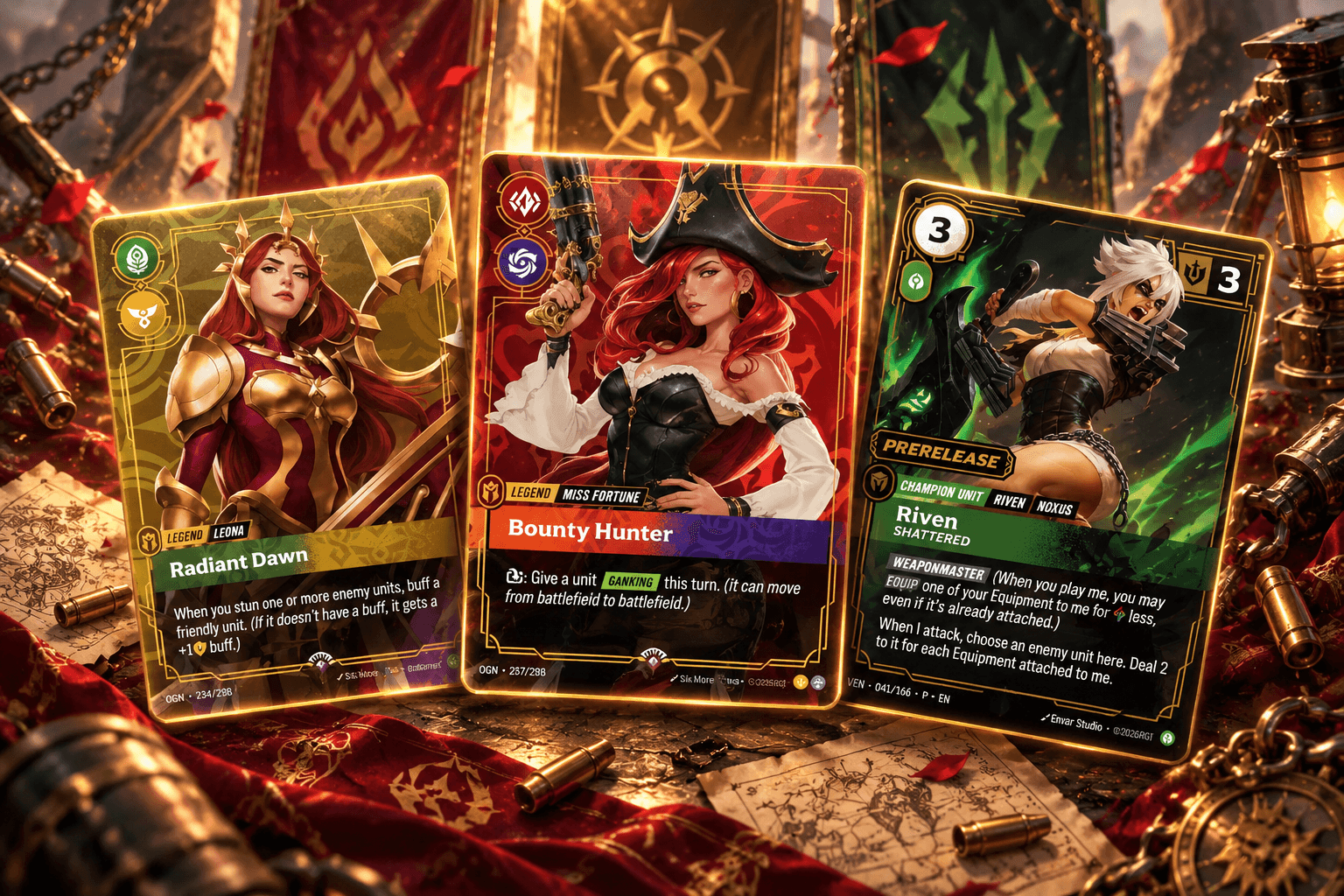
Riftbound Metal Cards and Prize Wall Cards: What They Are and How to Get Them
You cannot open one. Riftbound's metal cards are handed out at events, and the gap between the version anyone can claim and the version only a winner gets runs into six figures.
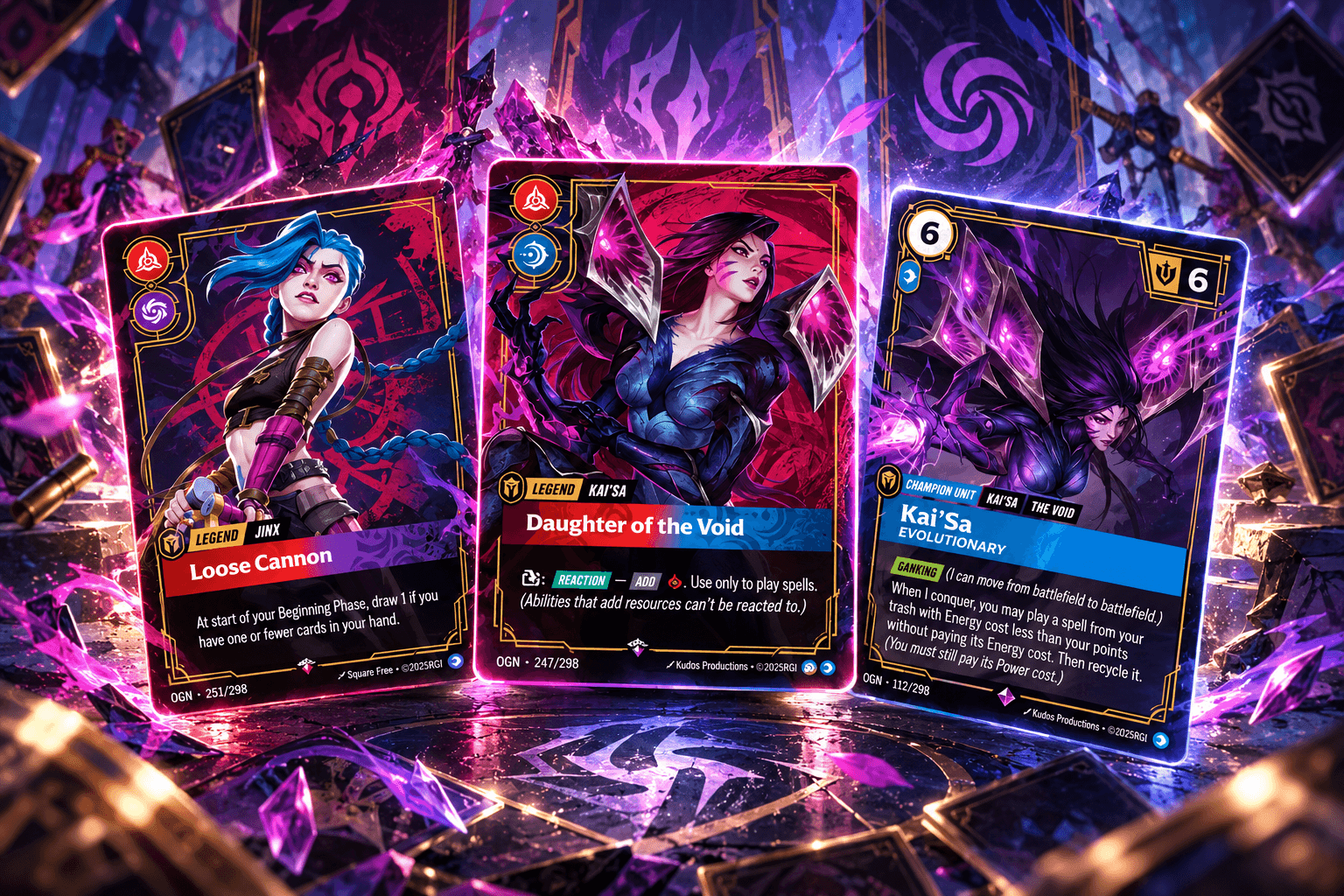
Riftbound Origins Card List and Set Guide
The first English Riftbound set still holds the deepest documented pull rates in the game, and a Signature premium that lands between eight and thirteen times on every single Legend.
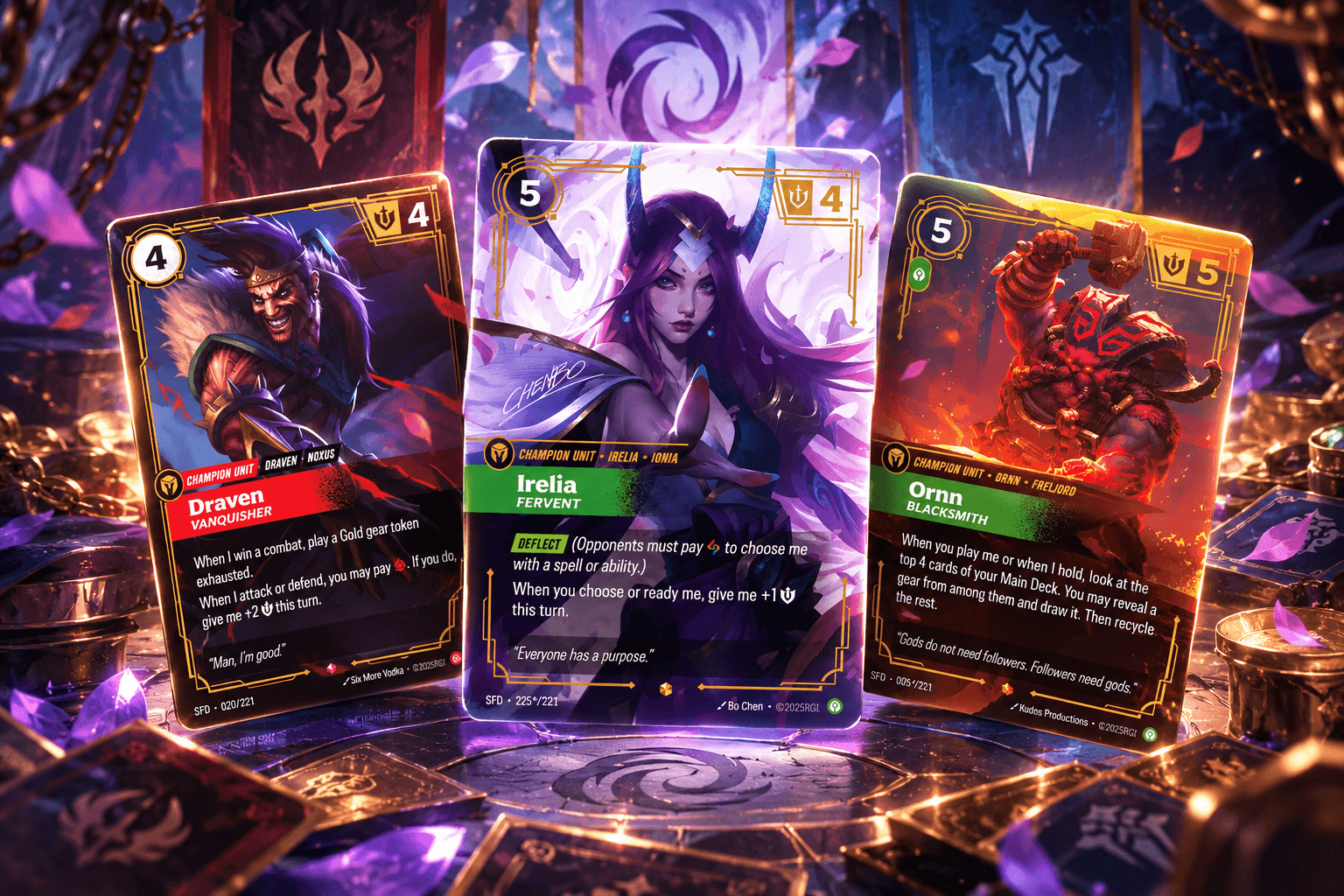
Riftbound Spiritforged, Unleashed and Vendetta: Every Card List
Three sets, three shrinking card counts, and one card that outprices everything else in the game. The middle years of Riftbound tell a clearer story about the game's direction than Origins does.
Should You Grade Riftbound Cards?
Nine in ten Riftbound submissions come back a perfect ten. That one number answers most of this question before you've opened a single pack, and it points the opposite way to most advice online.
Are Riftbound Cards Worth Anything? An Honest Look
The top card sells for five thousand dollars. The median card is worth less than a coffee. Both facts are true, and the gap between them is the only thing worth understanding.
Riftbound for Beginners: How to Start Playing in 2026
You win by standing on ground, not by reducing an opponent to zero. And the rule governing your final point means you cannot win this game by accident, which changes how every match ends.
What Is the One Piece Card Game? A Complete Beginner's Guide
Learn the standard deck structure, how DON!! pays costs or boosts power, the first-turn exceptions and the basic ways a One Piece game ends. Includes links to official rules and the English release guide.
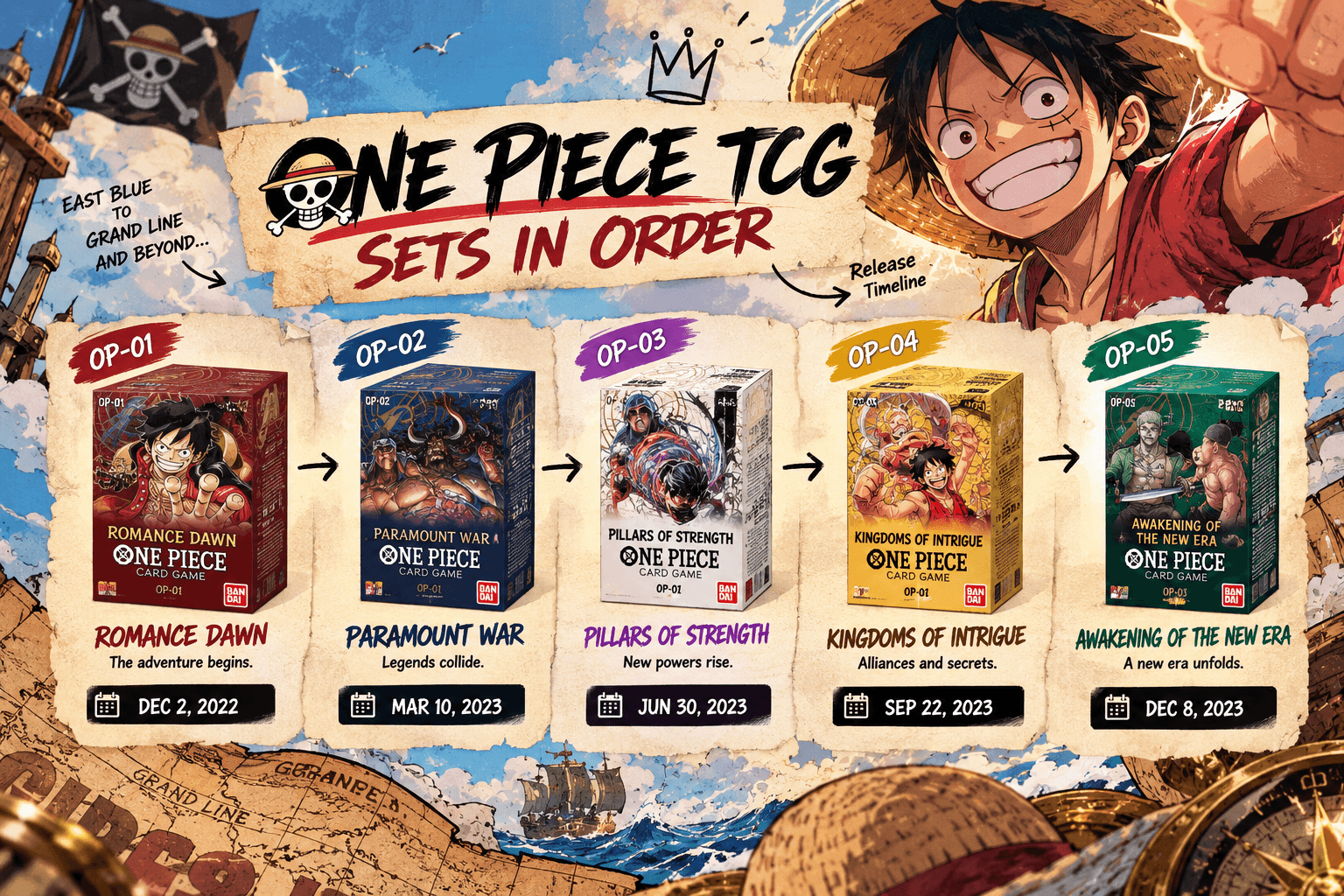
Every One Piece TCG Set in Order, From Romance Dawn to Now
A dated guide to the English main booster sequence, with OP-18 scheduled for 20 November 2026. Compare main sets with Extra and Premium Boosters.
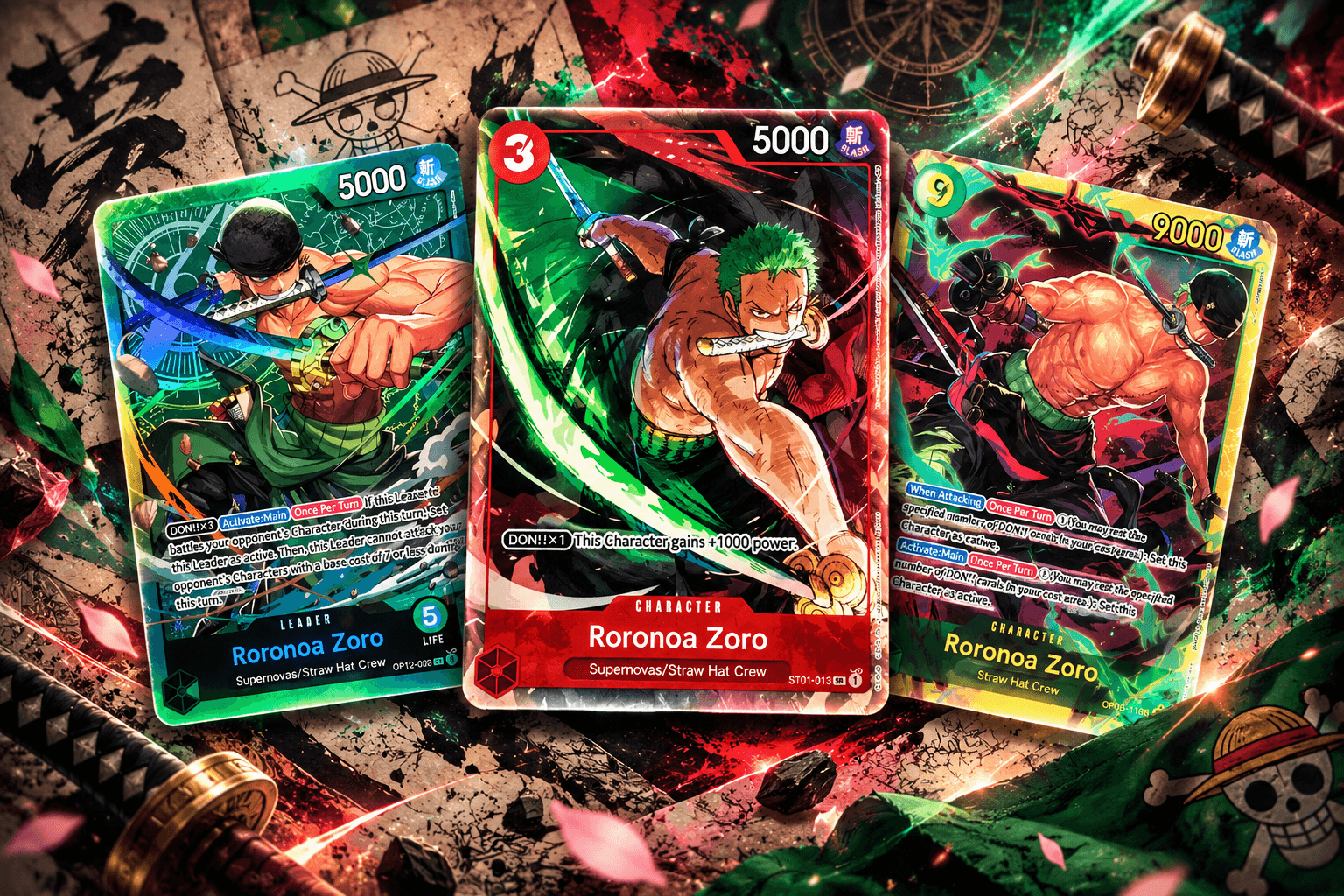
Roronoa Zoro Card Value: Every Print Ranked
One card number, three printings, and a 357x spread between the cheapest and the dearest. Zoro is the clearest demonstration in the game that the number on a card tells you almost nothing.
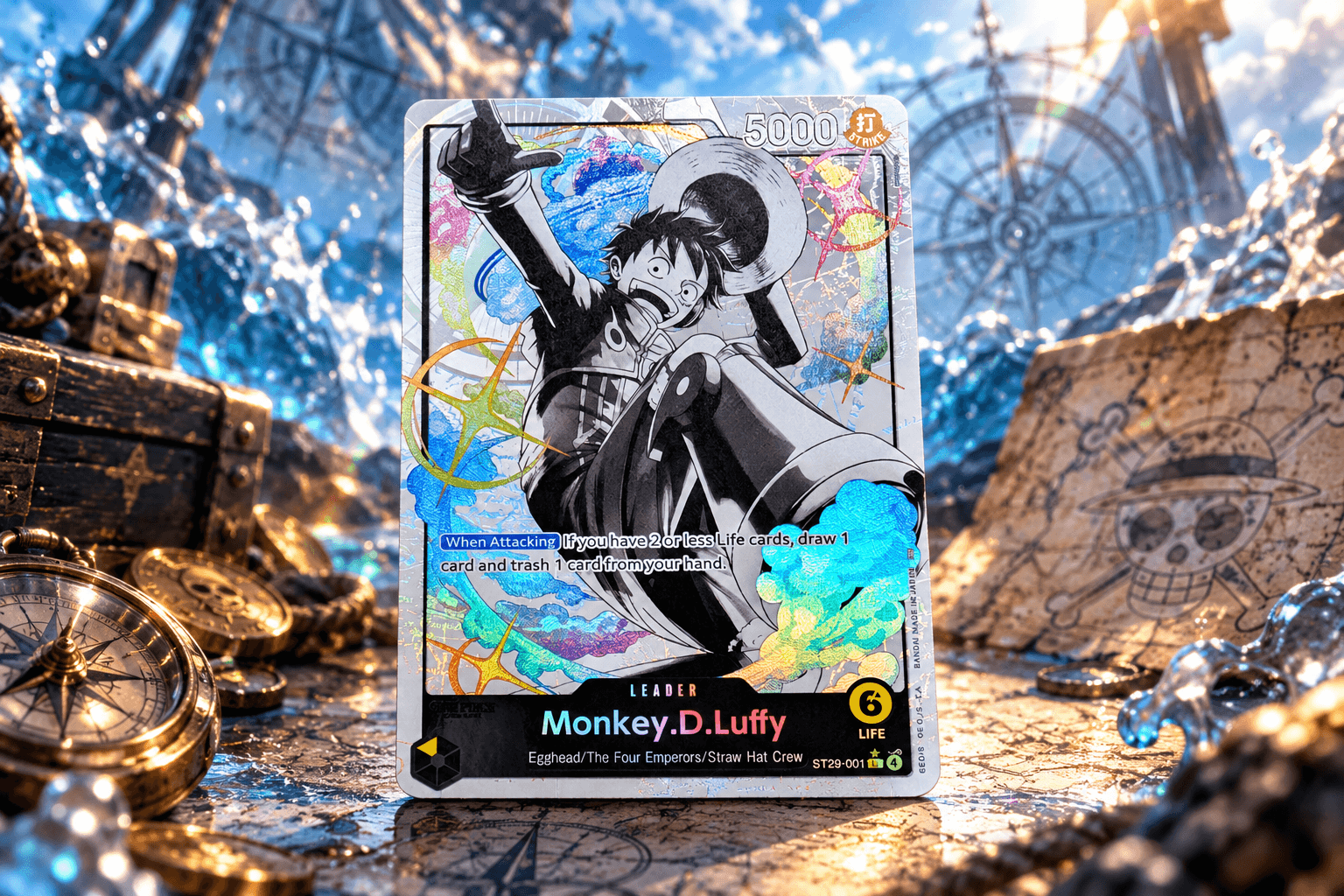
Monkey D. Luffy Card Value: Every Print Ranked
From $3.97 to $14,601.83 for the same character. Luffy has more printings than any card in the game, including collaborations with Nike and the LA Dodgers that most collectors have never seen.
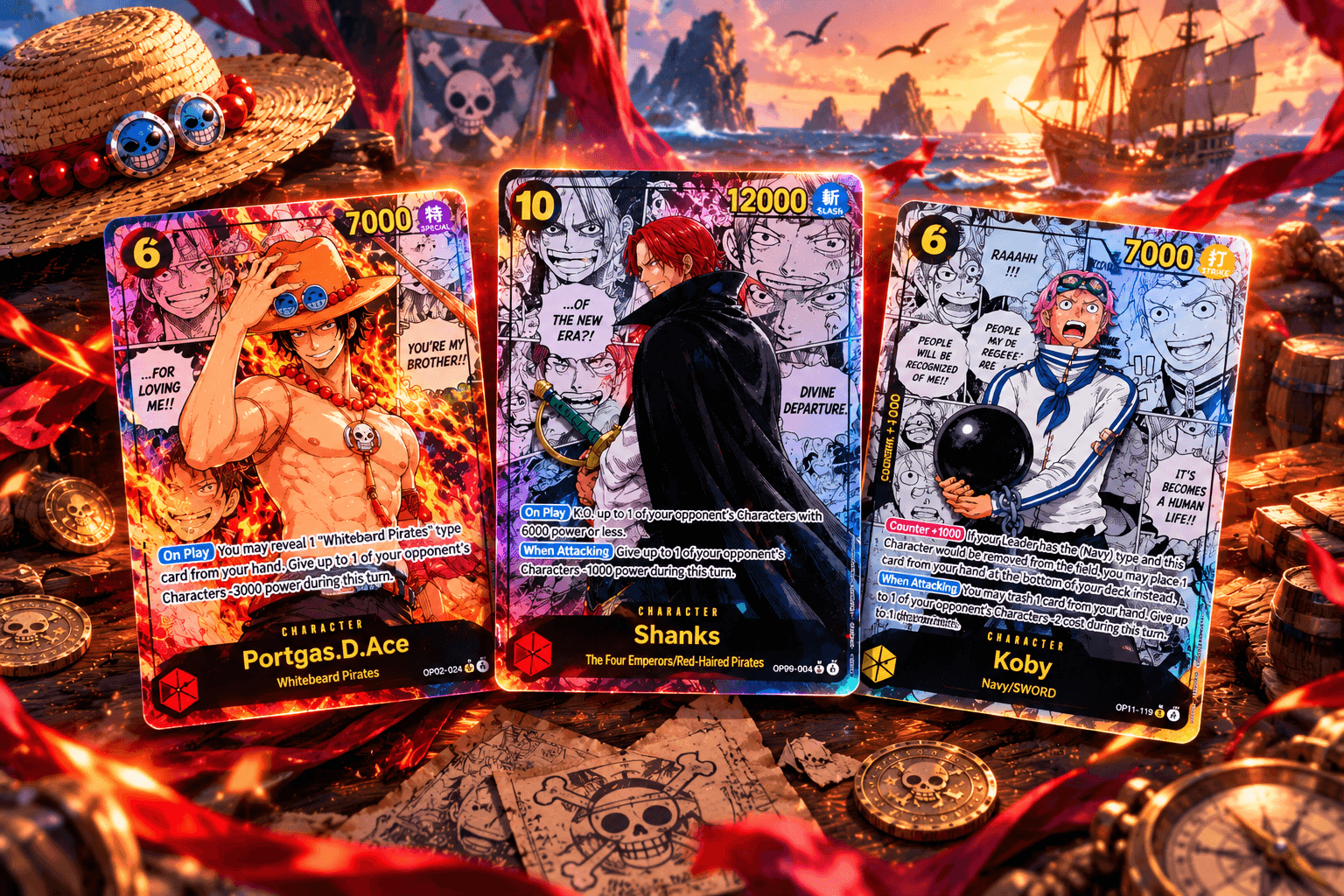
One Piece Manga Art Cards Explained: Printings and Price Checks
Identify manga-art treatments, distinguish product printings and compare matching sale records. The card number alone is not enough.
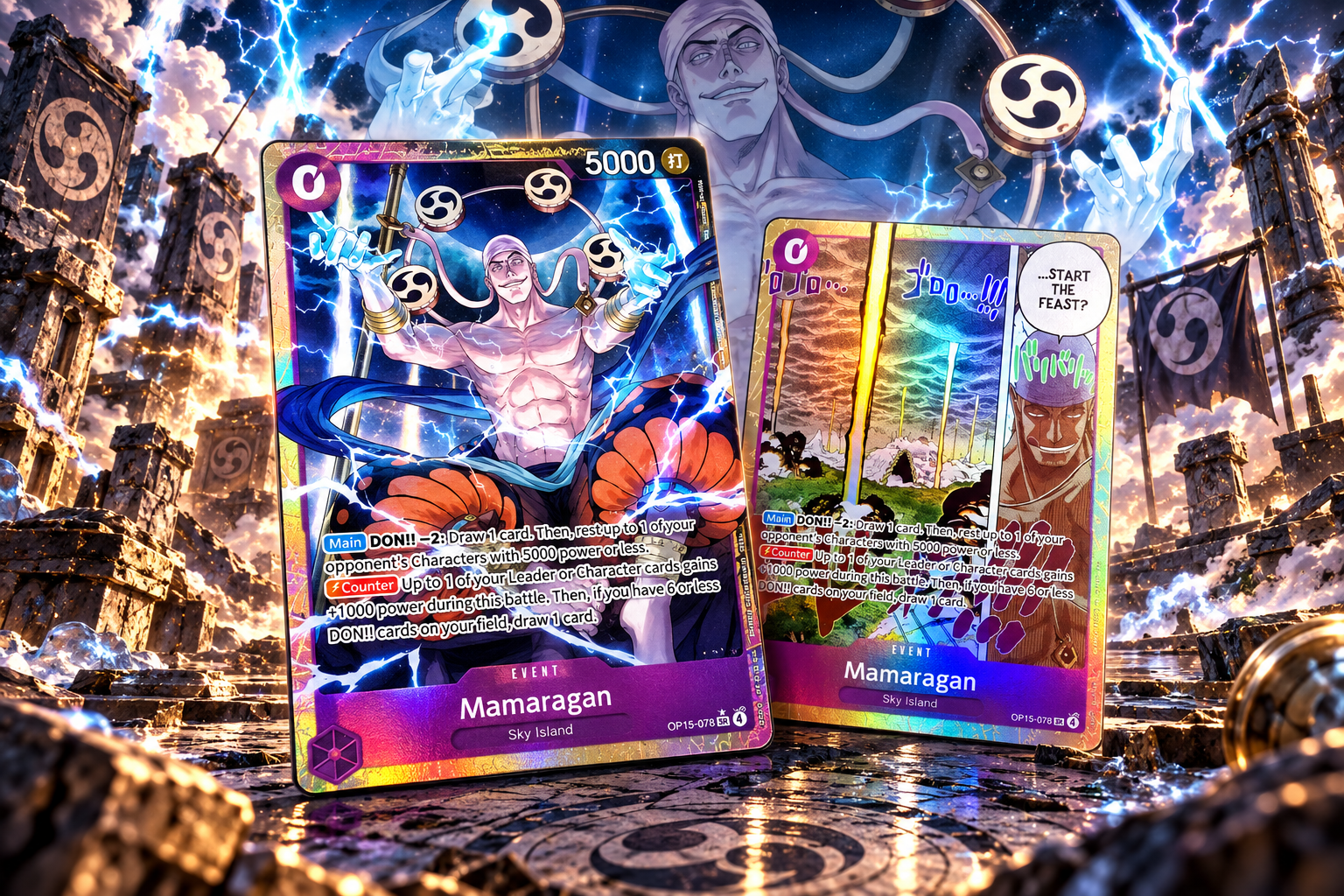
Mamaragan: The Card Behind One Piece's Biggest Search Spike
It draws more search traffic than almost any card in the game, and it costs twenty dollars. The gap between attention and price says something useful about who is actually searching.
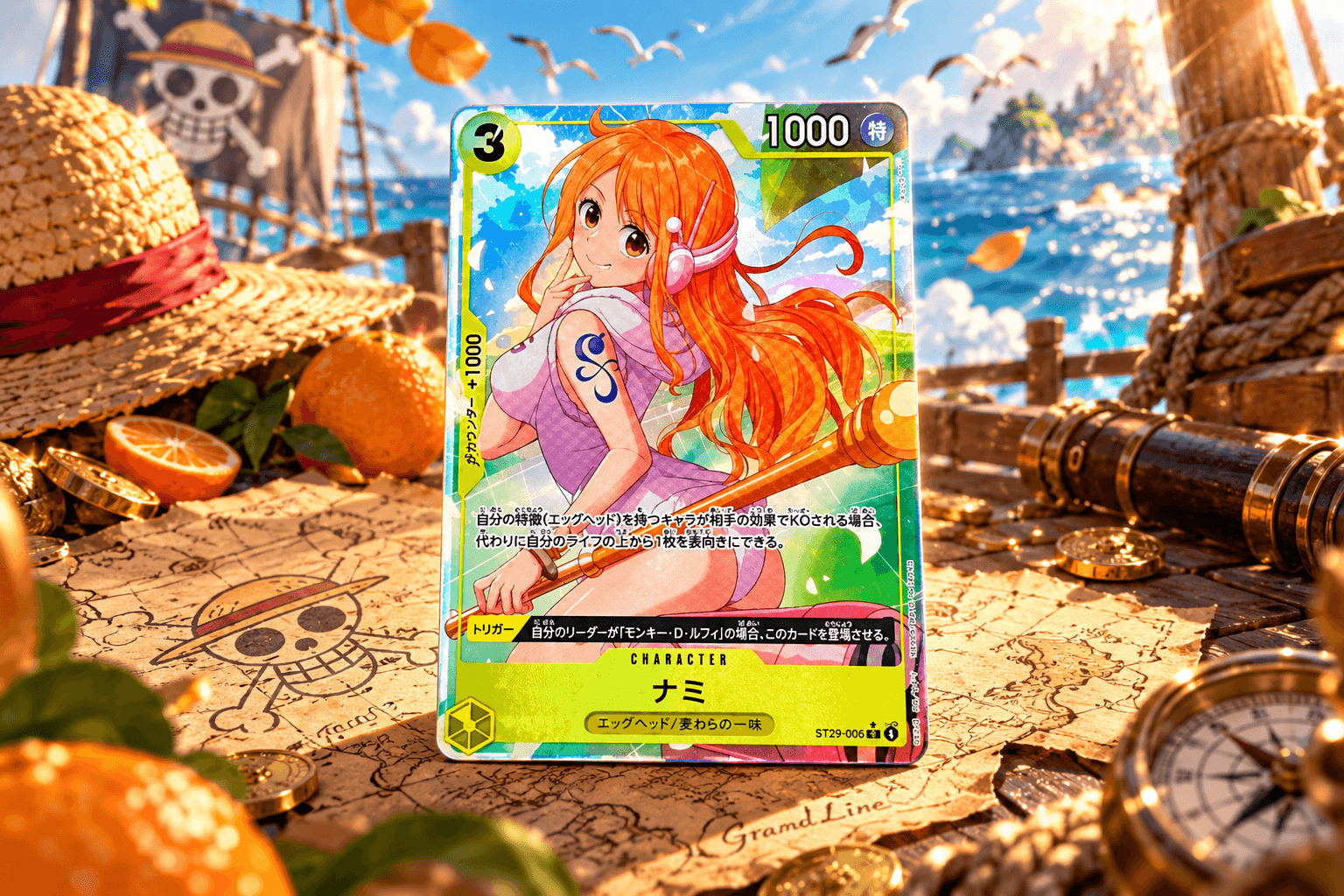
Nami Card Value: Every Print Ranked
Her most expensive card is not her best buy. A $73 alternate art from the first set outperforms the $1,891 manga card on every measure that involves grading.
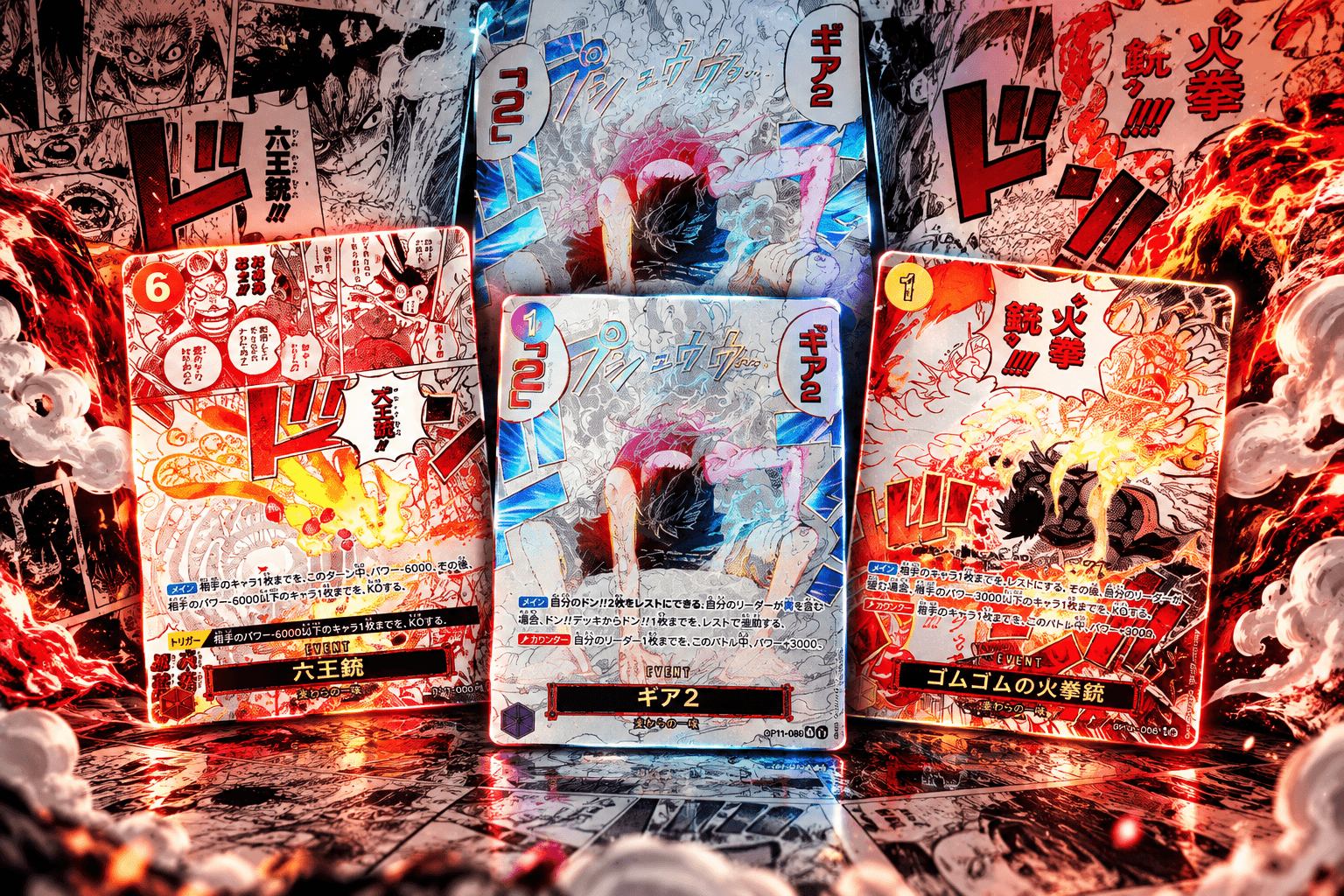
Gum-Gum Giant and Honesty Impact: One Piece's Most Searched Event Cards
Twenty-seven cents for one, under two dollars for the other, and both among the most looked-up cards in the game. Their alternate arts tell a completely different story.
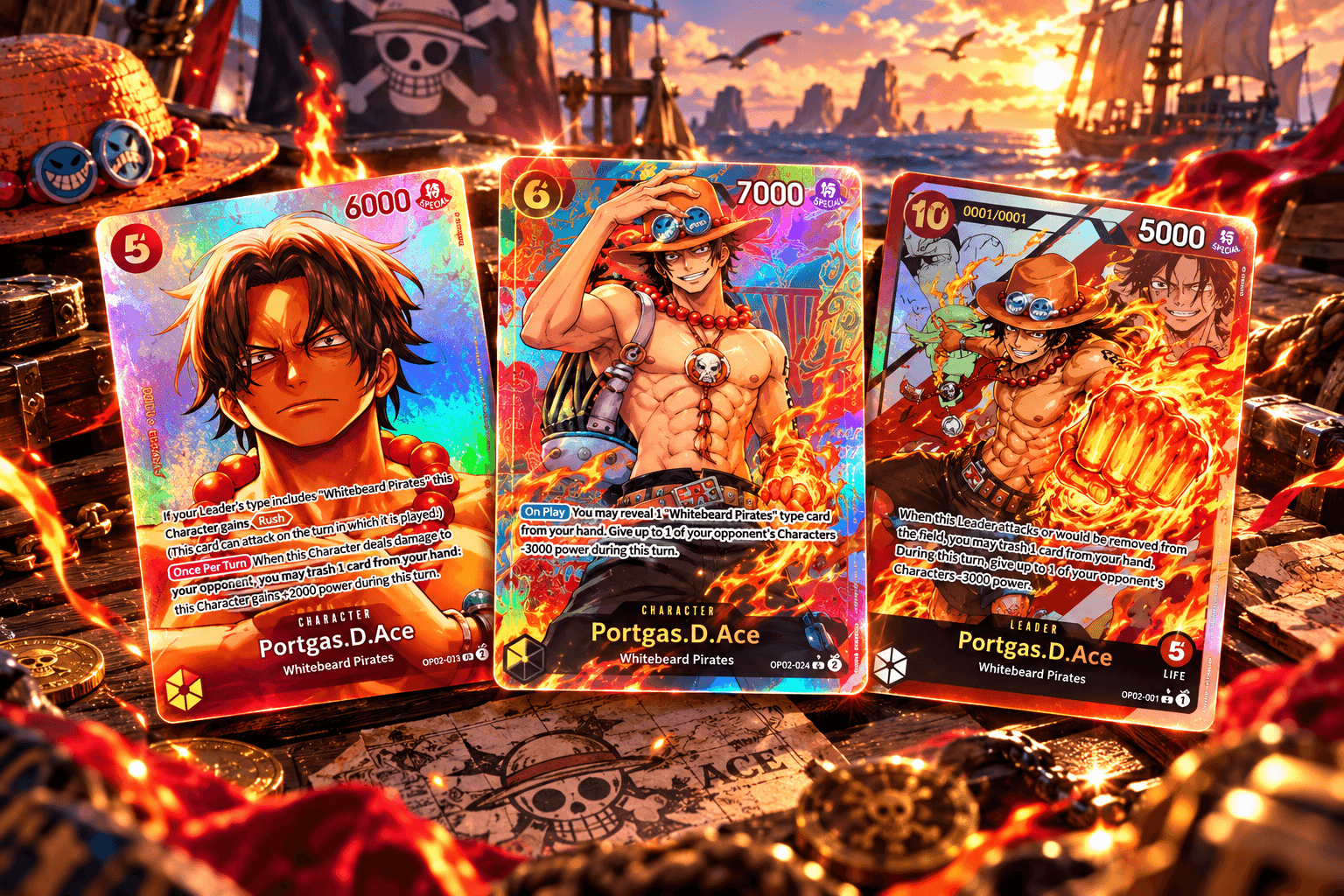
Portgas D. Ace Card Value: Every Print Ranked
He has three separate manga printings, a card numbered out of a thousand, and a base version costing two dollars twenty. Few characters in the game span a wider range.
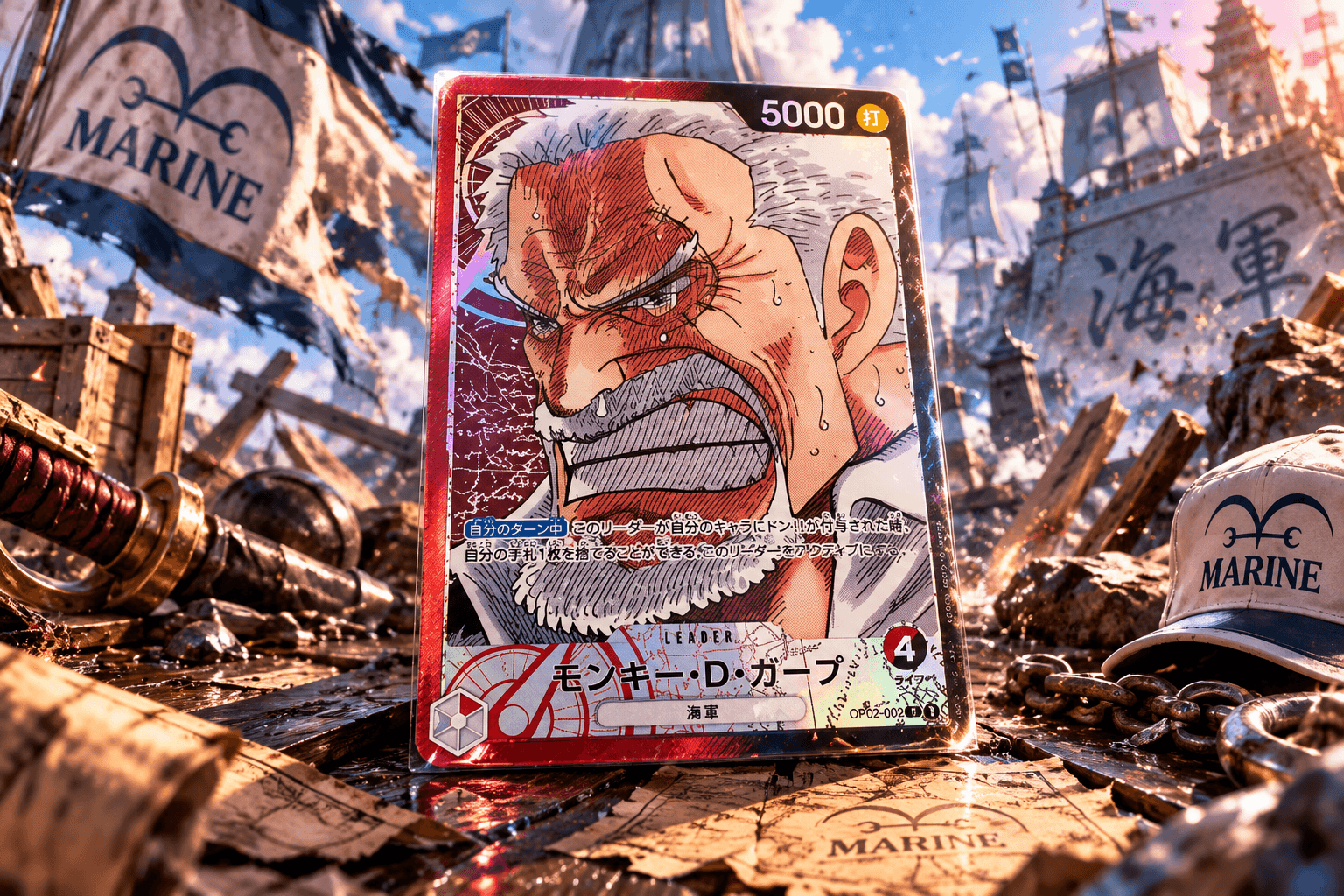
Monkey D. Garp Card Value and Where to Find Him
One of the most beloved characters in the series has no card above a hundred and twenty dollars outside a single tournament promo. There is a specific reason, and it is not popularity.